Main content
Neurodiversity: Science and Society on our Different Brains
Course Overview
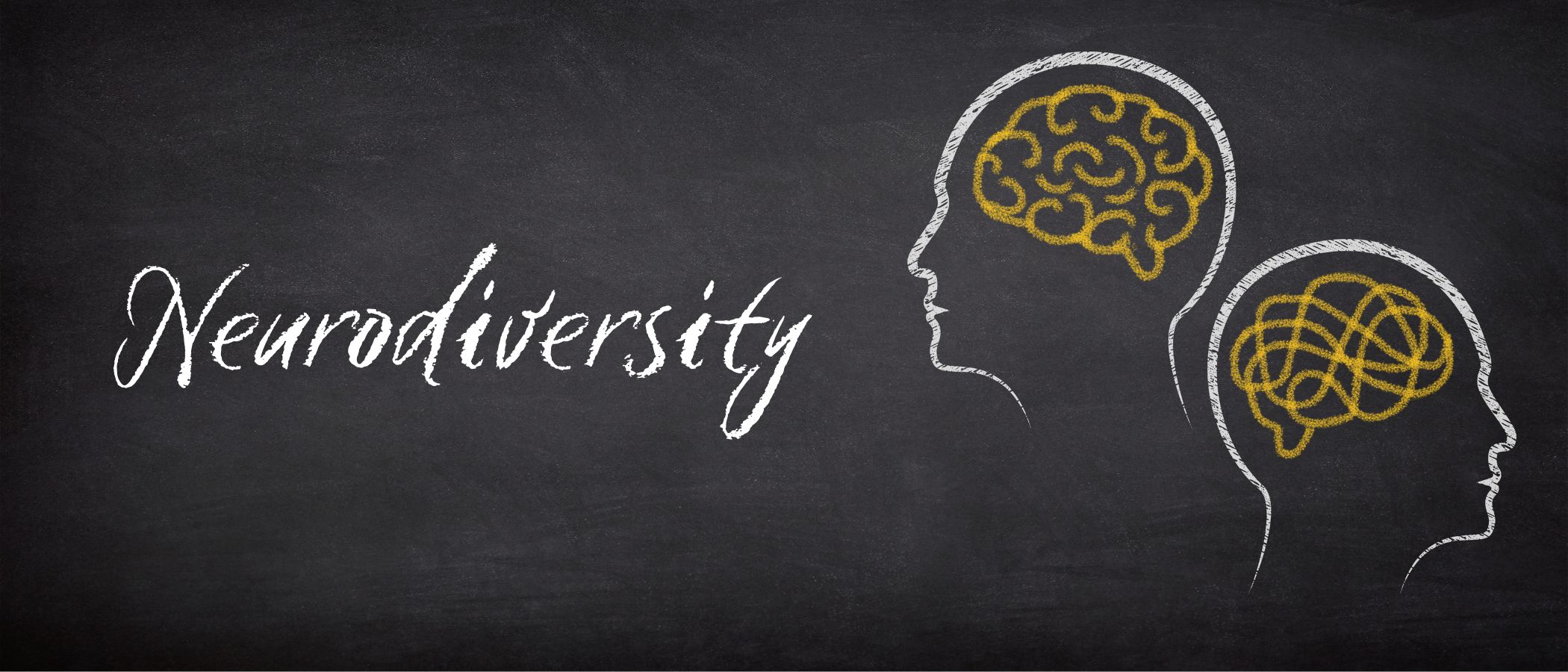
We don't need science to tell us we’re all different; It’s obvious. But neuroscience does help explain many ways our genes, experiences, and histories impact our brains to make us so unique. Here, we’ll explore what we know about “normal/neurotypical” brains and how they differ from “neurodivergent” ones - considering autism, ADHD, high intelligence, twice exceptionality, etc. We’ll talk about what “neurodivergence” even means, why some are labeled “disordered”, and how society’s notions on neurodiversity often clash with the research, producing challenges and barriers as well as opportunities to flourish.
Co-curricular trips: The Autism Center, MRI lab, and possibly Yerkes primate center at Emory.
Course Objectives
By the end of this course, you will have a greater appreciation for what scientists do (and don’t) know about neurological, biological, and/or genetic determinants of neurodivergent conditions, including autism spectrum disorder (ASD), attention-deficit-hyperactivity-disorder (ADHD), and more (as added topics are collaboratively chosen by students).
To do this, you’ll learn about several key regions and systems of the brain, how they work together, and how they develop and mature from birth through adulthood. You’ll also gain an appreciation for how genetics interact with experiences over time to make us who we are and how we’re all different. We’ll also cover if, when, and how various neurovariations (i.e., neurodivergent “conditions”) have been historically and are currently assessed, diagnosed, and supported in clinical, educational, and vocational settings. You’ll also learn how this knowledge aligns, clashes, and informs what society says about the topics, including in policy, media, and institutional structures. In a similar vein, you’ll finally gain an appreciation for social movements rooted in civil and disability rights that advocate for acceptance, accessibility, and overall awareness for the very differences that empower and strengthen our diversity of cognitive abilities.
Course Information
- Credit:
- Noncredit
- Grading:
- Satisfactory/Unsatisfactory
- Categories:
- Pre-Med
- Sciences
Program Information
- Pre-College Program
The Emory Pre-College Program offers students an opportunity to experience many aspects of college life.
Course Dates and Details
| Program | Course Dates | Class Time | Format | Status |
|---|---|---|---|---|
| Pre-College Program | Session B: Sun, Jun 28 - Sat, Jul 11, 2026 |
| on-campus | open |
Instructors
Alex Grizzell
| Program | Course Dates | Class Time | Format | Status |
|---|---|---|---|---|
| Pre-College Program | Session C: Sun, Jul 12 - Sat, Jul 25, 2026 |
| on-campus | open |